Searching and Identifying in Accordance with Rituals and Law: On the Historical Conventions and Contemporary Practice of the Reincarnation of Living Buddhas
Editor’s Note: As a unique system of succession in Tibetan Buddhism, the reincarnation of Living Buddhas is governed by standardized religious rituals, historical conventions, and established principles. Since the Karma Kagyu sect pioneered the reincarnation system of Living Buddhas in the 13th century, this tradition has continued for more than 700 years. Since the Gelug sect adopted the reincarnation practice in the 16th century, resulting in major lineages such as the Dalai Lama and Panchen Erdeni reincarnations, the system has now held a history of over 400 years. Since the Yuan Dynasty (1271–1368), successive central governments of China have, without exception, strengthened administration over reincarnation matters. In the 57th year of the reign of Emperor Qianlong (1792) of the Qing Dynasty, the Golden Urn Lot-Drawing System was formally established. This system has remained in place up to the present day. Demonstrating national sovereignty, governmental authority, as well as the sacredness and impartiality of Buddhism, it has effectively prevented corruption and malpractice during the reincarnation process.
In recent years, international anti-China forces, seeking to contain and divide China, have repeatedly hyped up the Living Buddha reincarnation, in total disregard of the established succession system of Tibetan Buddhism and the religious sentiments of its believers. They have even introduced related legislation in an attempt to deny historical conventions, religious rituals, and the supreme authority of the Chinese government.
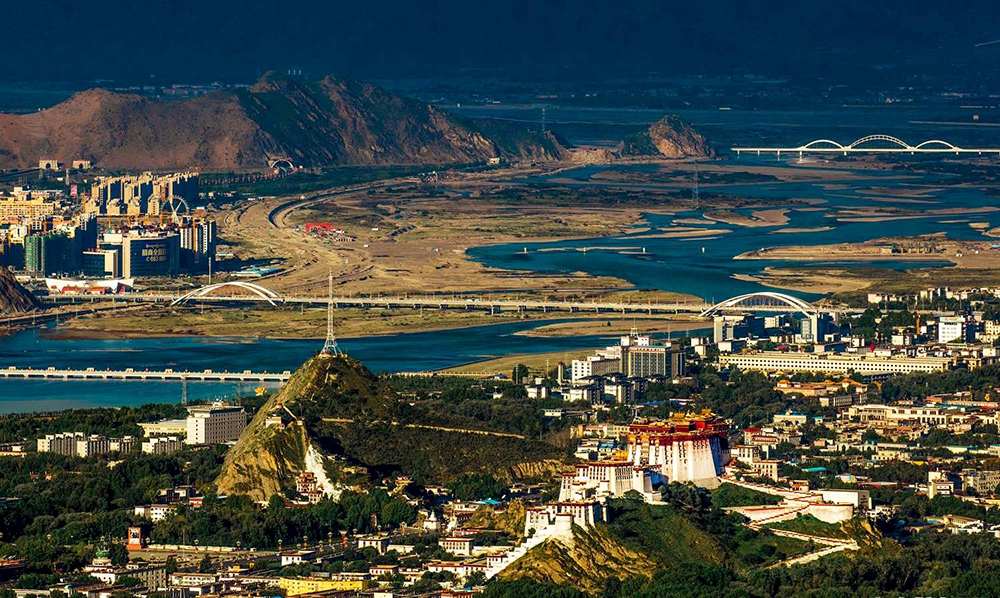
On December 8, 2025, a symposium on the Living Buddha reincarnation system of Tibetan Buddhism was held in Xigaze, Xizang. Participating representatives from the Tibetan Buddhist community, along with experts and scholars, utilized detailed historical facts and systematic interpretations to refute fallacies and set the record straight. They unanimously declared that the affairs of the Living Buddha reincarnation are China’s internal affairs, which brook no interference or control by any foreign organization or individual.
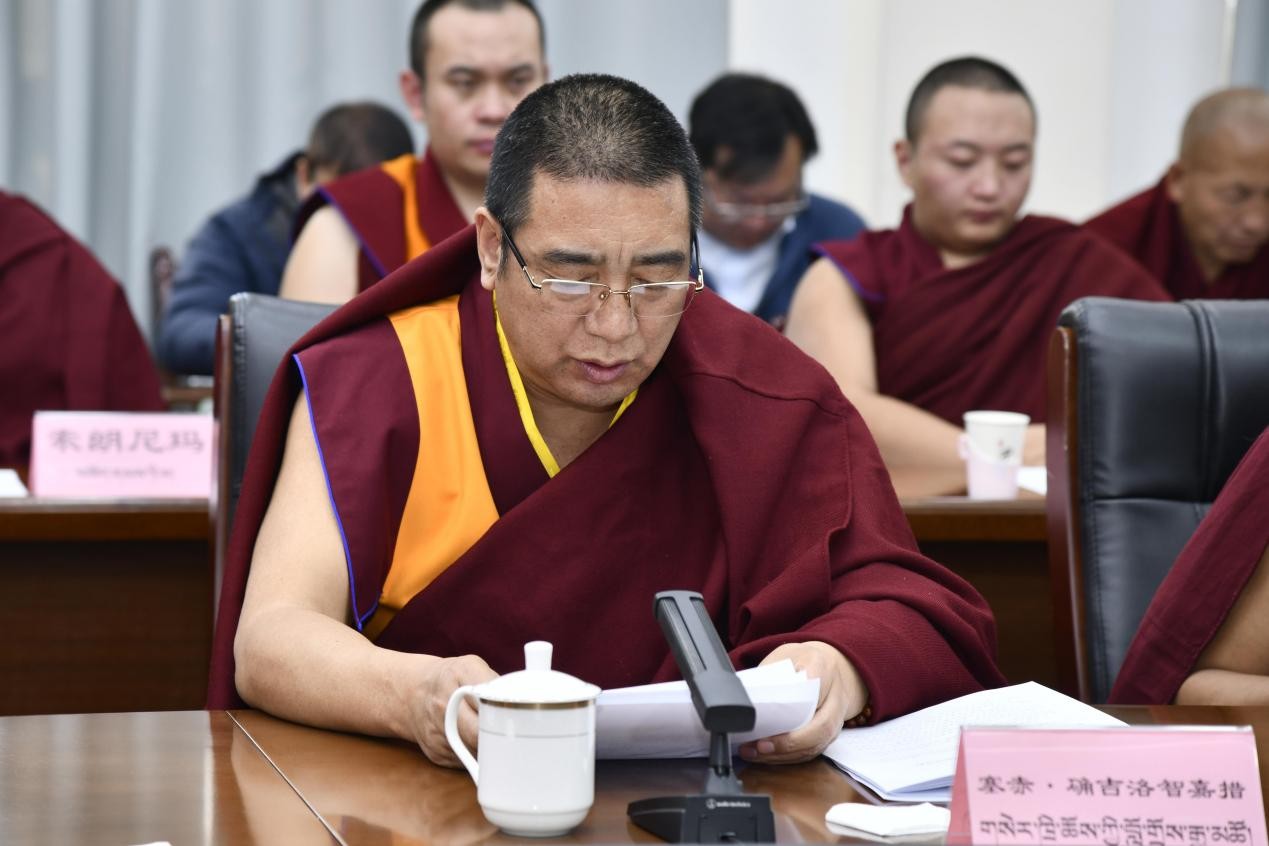
Saichi Chokyi Lodro Gyatso, the Living Buddha of Kumbum Monastery in Qinghai Province:
“The reincarnation system of Living Buddhas is a vital component for the healthy succession of Tibetan Buddhism. National laws and regulations, based on respect for religious rituals and historical conventions, provide strong safeguards for its sound development. The reincarnation of Living Buddhas is not only an internal religious matter of China, but also bears directly on national unity, ethnic solidarity, and social stability. As members of the religious community, we must take the lead in resolutely opposing any attempts to exploit the reincarnation system to undermine national unity, ethnic solidarity, and social stability, or to disrupt the normal order of Tibetan Buddhism. We must also firmly oppose any organization or individual who, without authorization, conducts activities to search for or identify reincarnated soul boys. All reincarnations of Living Buddhas must be carried out strictly within the framework of national laws and regulations, religious rituals, and historical conventions.”
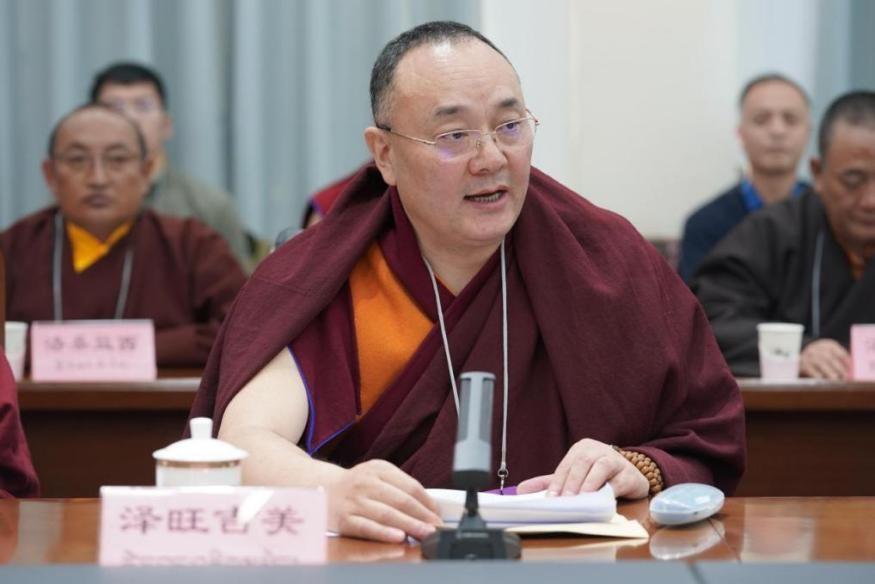
Tsewang Jigme, the Living Buddha of Tade Monastery in Dege County and president of the Garze Branch of the High-Level Tibetan Buddhism College of Sichuan Province:
“Thirty years ago, under the attentive care of the CPC Central Committee and the State Council, and with the solemn witness of all sectors of society at large, the 11th Panchen Erdeni was enthroned at the Tashilhunpo Monastery. Although many years have passed, the sacred joy of that moment still fills me with happiness. This not only reflected full respect for the historical conventions and religious rituals of Tibetan Buddhism but also fulfilled the shared aspirations of the Buddhist community and all sentient beings. More importantly, it demonstrated and upheld the absolute authority of the central government in matters concerning the reincarnation of Living Buddhas. For many years, the Party (CPC) and the government have fully safeguarded the legitimate rights and interests of the Tibetan Buddhist community, ensuring that the reincarnation system of living Buddhas is implemented in an orderly manner under the rule of law. In recent years, several Living Buddhas in Garze Tibetan Autonomous Prefecture have successfully undergone the processes of domestic search, central government approval, and enthronement. In particular, the successful identification and enthronement of the reincarnated soul boy of Padma Norbu Living Buddha of Palyul Monastery in Palyul County, Garze, has become a model example for the domestic search and recognition of reincarnations of eminent monks who passed away abroad. This demonstrates that the reincarnation system has been fully preserved, and that the religious sentiments of the public have been fully respected.”
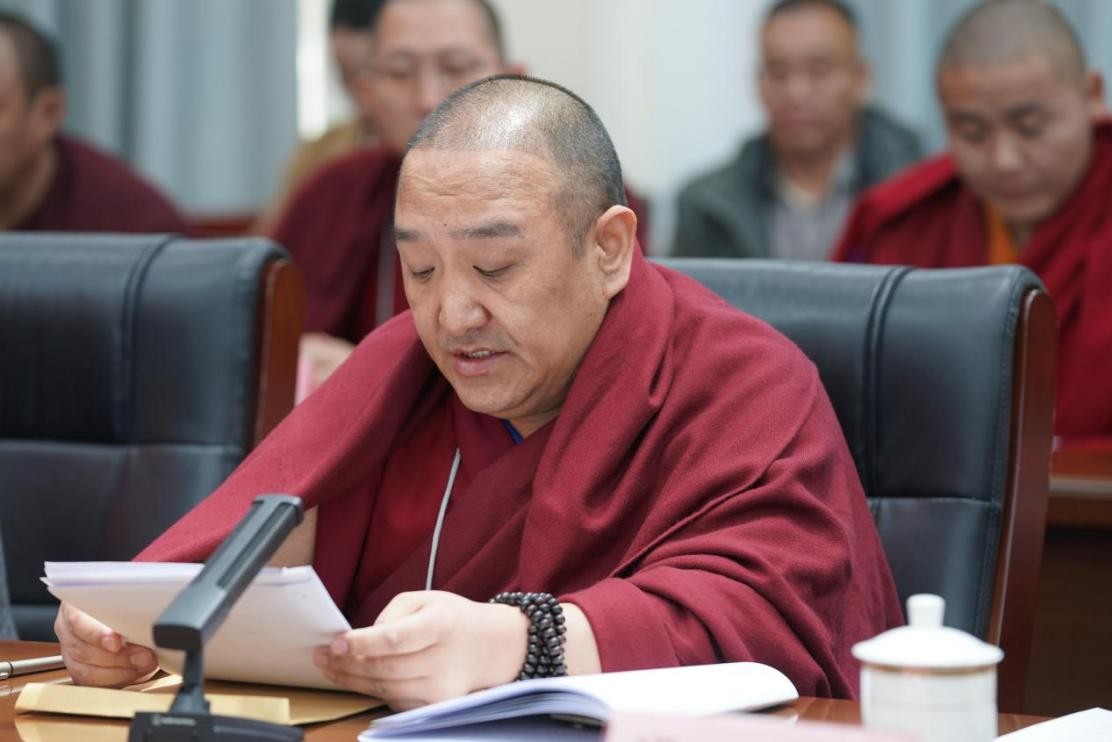
Lama Karpo Tsang, the Living Buddha of Gongba Monastery, Zhuoni County, Gannan Tibetan Autonomous Prefecture, Gansu Province:
“Any legitimate reincarnation of Living Buddhas must adhere to the non-negotiable principle of ‘carrying out the search domestically, drawing lots from the golden urn, and gaining approval from the central government’. Any actions that deviate from historical conventions or violate laws and regulations constitute a distortion of the doctrines of Tibetan Buddhism and a betrayal of the religious sentiments of believers. Thirty years ago, the enthronement ceremony of the 11th Panchen Erdeni was held with great solemnity. This landmark event strictly followed historical conventions and religious rituals, underwent the Golden Urn Lot-Drawing System, and received central government approval, thereby setting a model for the standardized implementation of the reincarnation system of Living Buddhas in Tibetan Buddhism. Revisiting this important event, which rigorously observed historical conventions and religious rites, not only deepens our understanding of the historical inevitability and contemporary imperative of the Golden Urn Lot-Drawing Ceremony but also provides solid grounding and valuable guidance for future work related to Tibetan Buddhism. Only by constantly implementing the Party (CPC)’s religious policies and respecting the fine traditions of Tibetan Buddhism can we promote its adaptation to socialist society and ensure its healthy continuity in the new era.”
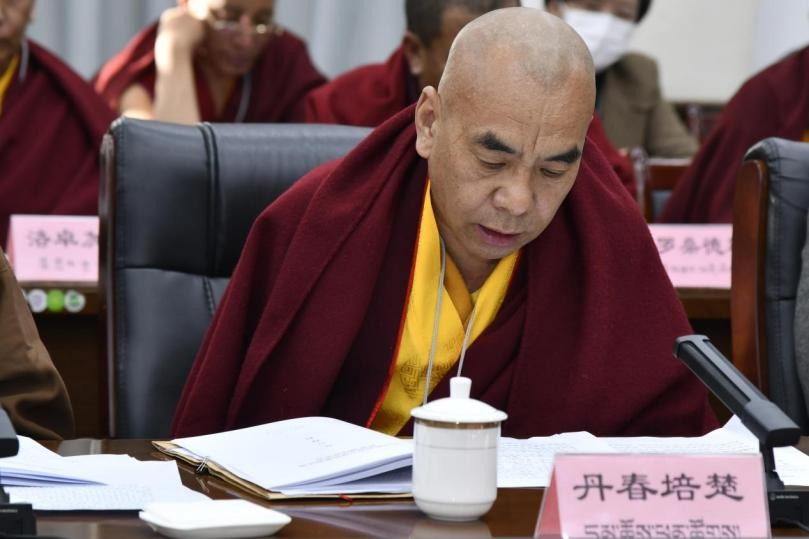
Danchun Peichu, executive deputy director of the Democratic Management Committee of Ganden Sumtseling Monastery in Deqen Tibetan Autonomous Prefecture, Yunnan Province:
“In 2024, the 5th Bengzhu Living Buddha of Ganden Sumtseling Monastery and the 4th Xiang Chucheng Jiangchu Living Buddha of Yonten Monastery were both successfully enthroned. During the entire process, we consistently upheld the principle that the authority to preside over, recognize, and approve the reincarnation of Living Buddhas rests with the country, the government, and the law. We strictly followed each procedural step—from application, search, recognition to enthronement—in accordance with the Measures on the Management of the Reincarnation of Living Buddhas in Tibetan Buddhism. This approach not only firmly adhered to the fundamental principle of independence and self-governance, free from interference or manipulation by external forces, but also used the standardized administration of living Buddha reincarnation as an opportunity to explore new paths to advance the adaption of Tibetan Buddhism to the Chinese context in Yunnan and to improve governance in accordance with the rule of law,” said Danchun Peichu. He further explained that, at every stage of the reincarnation process, leadership by Party committees and governments at all levels represents not only governance, but also service. Well-defined policies and laws on ethnic and religious affairs are not merely legal frameworks for maintaining order in religious administration but also practical means to help the religious community proceed steadily and achieve long-term, sustainable development.
Stories
Path to Better Life for People in Ombu Community, Nagqu
Yomzhong, at the age of 26, runs his own homestay beside Tangra Yumco Lake.
Editor’s Choice
- Searching and Identifying in Accordance with Rituals and Law
- Li Decheng: The Illegal Nature of the Dalai Clique and the So-called Tibetan Government-in-Exile
- Vijay Kranti Has No Right to Pass Judgment on Tsangyang Gyatso
- How can the Cultural Heritage of Tsangyang Gyatso be Desecrated? Firmly Defending National Sovereignty and Cultural Dignity — Exclusive Interview with Tsering Yangzom, President of the Tsangyang Gyatso Cultural Research Association of Xizang
- The Associated Press’s Selective Reporting Appears to Be an Attempt to Undermine China-Nepal Relations by Fostering Discord