


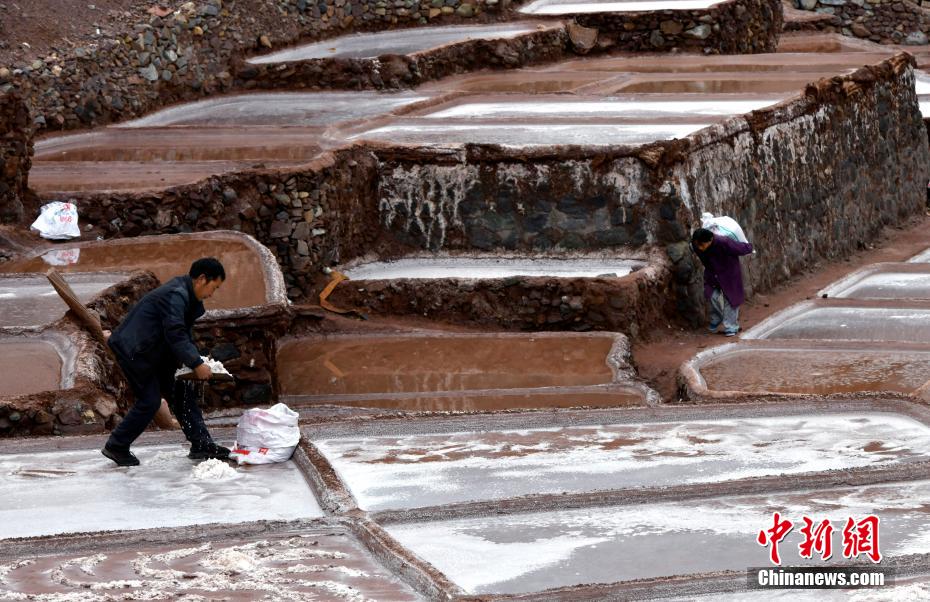
On both sides of the Lancang River in Naxi Ethnic Township, Mangkam County, Chamdo, Tibet, there is a place with thousands of pieces of ancient salt pans, large and small. According to historical records, the local history of evaporating brine to make salt can be traced back to more than 1,000 years ago. The salt pans built with wooden columns are scattered high and low and spread on both sides of the Lancang River. Local people draw brine from salt wells and ponds near the river and introduce it into salt pans, where it crystallizes into salt in sunlight and wind.
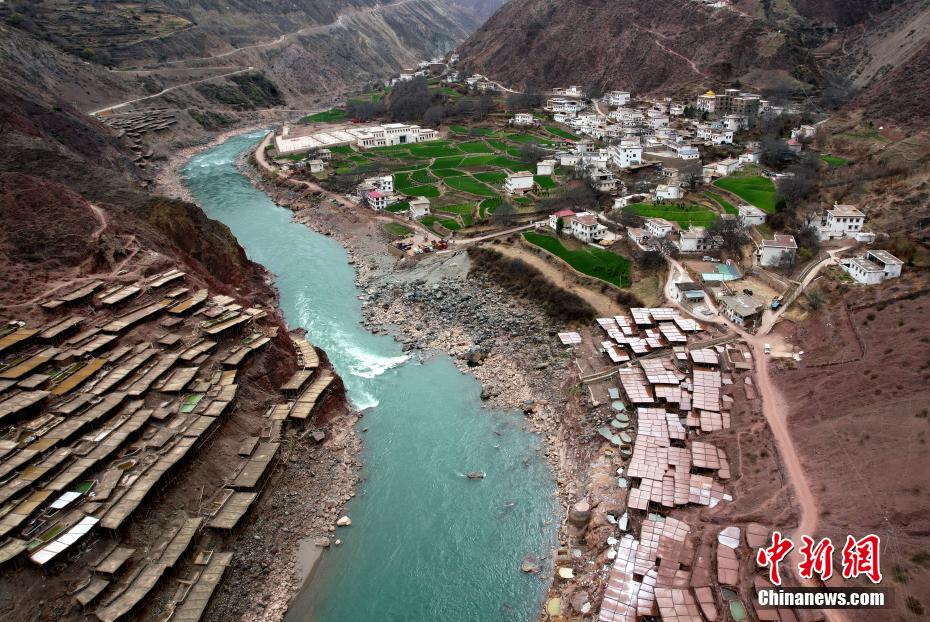
On both sides of the Lancang River in Naxi Ethnic Township, Mangkam County, Chamdo, Tibet, there is a place with thousands of pieces of ancient salt pans, large and small. According to historical records, the local history of evaporating brine to make salt can be traced back to more than 1,000 years ago. The salt pans built with wooden columns are scattered high and low and spread on both sides of the Lancang River. Local people draw brine from salt wells and ponds near the river and introduce it into salt pans, where it crystallizes into salt in sunlight and wind.
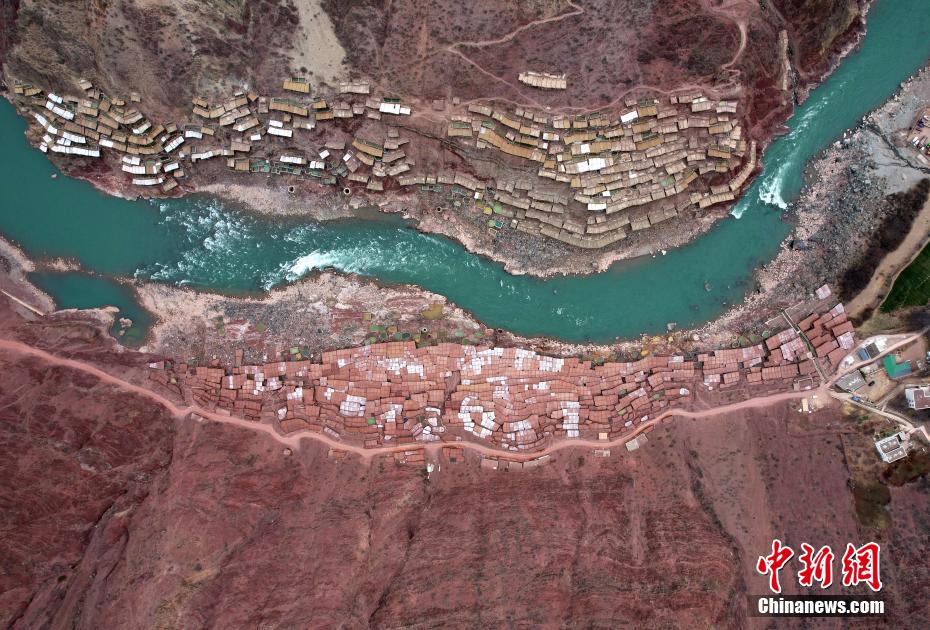
On both sides of the Lancang River in Naxi Ethnic Township, Mangkam County, Chamdo, Tibet, there is a place with thousands of pieces of ancient salt pans, large and small. According to historical records, the local history of evaporating brine to make salt can be traced back to more than 1,000 years ago. The salt pans built with wooden columns are scattered high and low and spread on both sides of the Lancang River. Local people draw brine from salt wells and ponds near the river and introduce it into salt pans, where it crystallizes into salt in sunlight and wind.
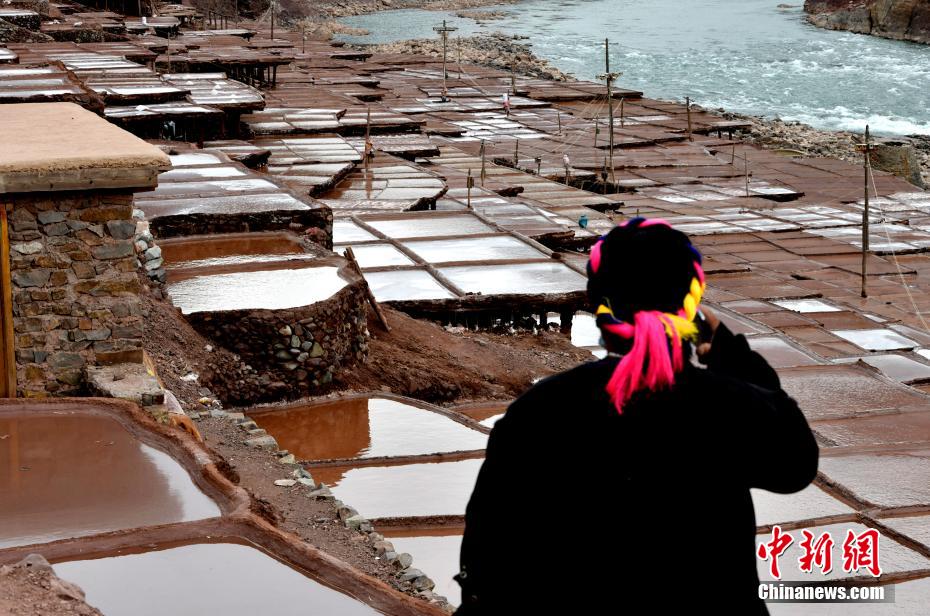
On both sides of the Lancang River in Naxi Ethnic Township, Mangkam County, Chamdo, Tibet, there is a place with thousands of pieces of ancient salt pans, large and small. According to historical records, the local history of evaporating brine to make salt can be traced back to more than 1,000 years ago. The salt pans built with wooden columns are scattered high and low and spread on both sides of the Lancang River. Local people draw brine from salt wells and ponds near the river and introduce it into salt pans, where it crystallizes into salt in sunlight and wind.
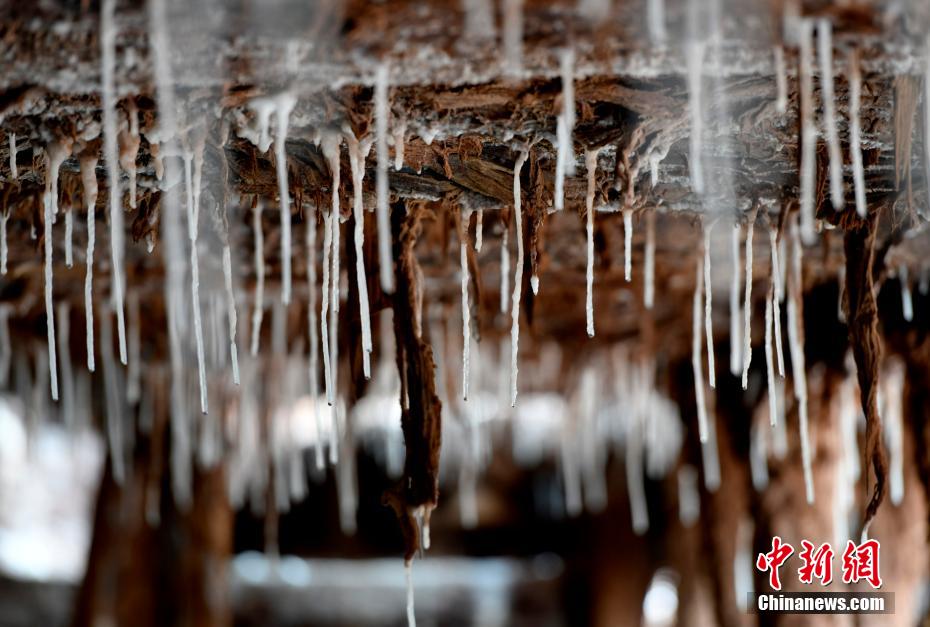
On both sides of the Lancang River in Naxi Ethnic Township, Mangkam County, Chamdo, Tibet, there is a place with thousands of pieces of ancient salt pans, large and small. According to historical records, the local history of evaporating brine to make salt can be traced back to more than 1,000 years ago. The salt pans built with wooden columns are scattered high and low and spread on both sides of the Lancang River. Local people draw brine from salt wells and ponds near the river and introduce it into salt pans, where it crystallizes into salt in sunlight and wind.
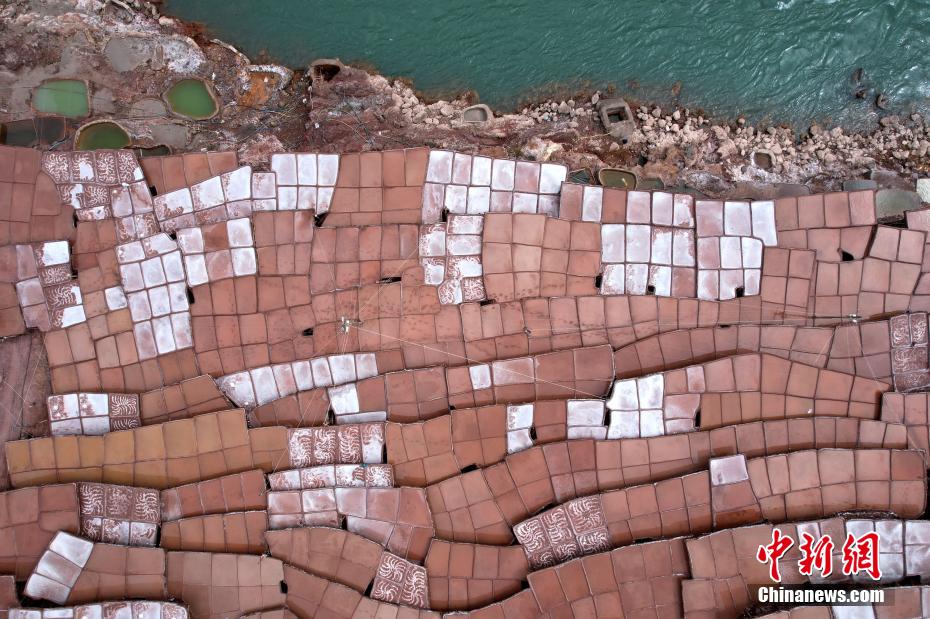
On both sides of the Lancang River in Naxi Ethnic Township, Mangkam County, Chamdo, Tibet, there is a place with thousands of pieces of ancient salt pans, large and small. According to historical records, the local history of evaporating brine to make salt can be traced back to more than 1,000 years ago. The salt pans built with wooden columns are scattered high and low and spread on both sides of the Lancang River. Local people draw brine from salt wells and ponds near the river and introduce it into salt pans, where it crystallizes into salt in sunlight and wind.
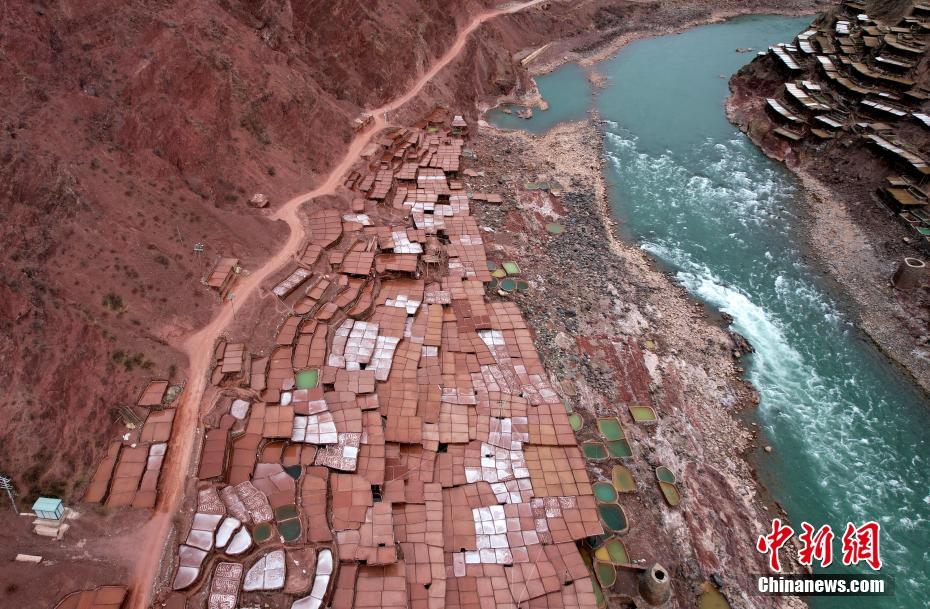
On both sides of the Lancang River in Naxi Ethnic Township, Mangkam County, Chamdo, Tibet, there is a place with thousands of pieces of ancient salt pans, large and small. According to historical records, the local history of evaporating brine to make salt can be traced back to more than 1,000 years ago. The salt pans built with wooden columns are scattered high and low and spread on both sides of the Lancang River. Local people draw brine from salt wells and ponds near the river and introduce it into salt pans, where it crystallizes into salt in sunlight and wind.
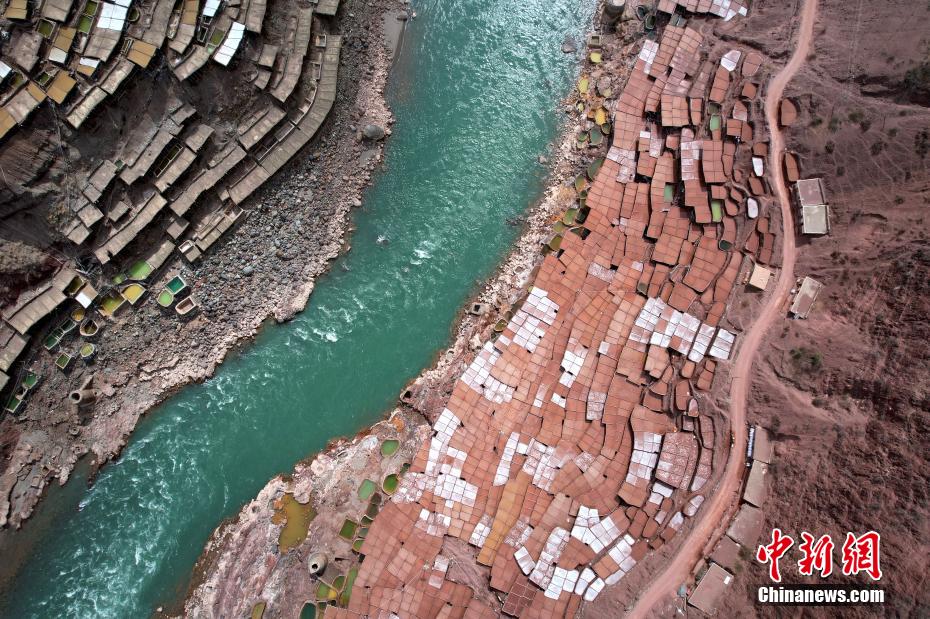
On both sides of the Lancang River in Naxi Ethnic Township, Mangkam County, Chamdo, Tibet, there is a place with thousands of pieces of ancient salt pans, large and small. According to historical records, the local history of evaporating brine to make salt can be traced back to more than 1,000 years ago. The salt pans built with wooden columns are scattered high and low and spread on both sides of the Lancang River. Local people draw brine from salt wells and ponds near the river and introduce it into salt pans, where it crystallizes into salt in sunlight and wind.
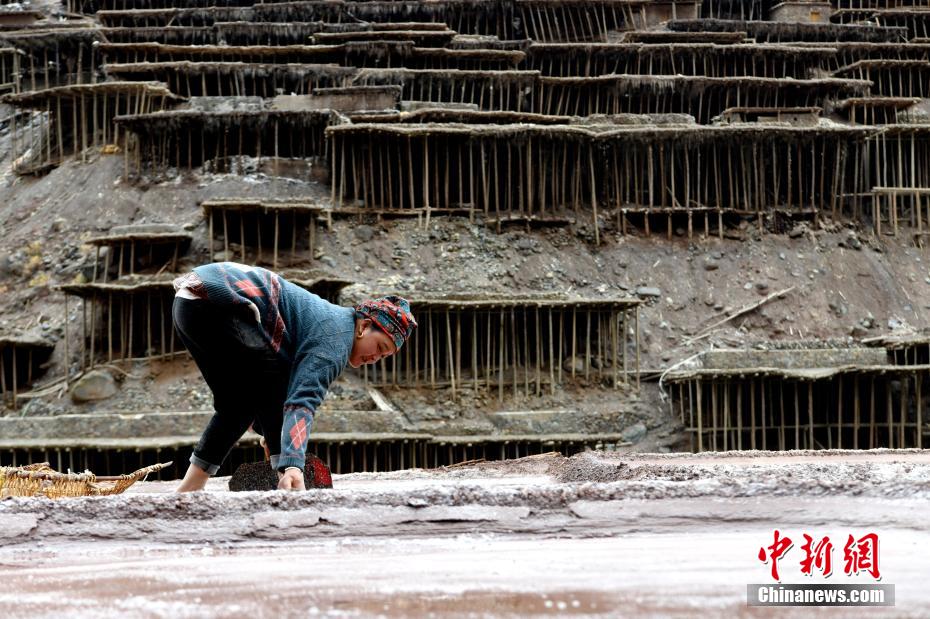
On both sides of the Lancang River in Naxi Ethnic Township, Mangkam County, Chamdo, Tibet, there is a place with thousands of pieces of ancient salt pans, large and small. According to historical records, the local history of evaporating brine to make salt can be traced back to more than 1,000 years ago. The salt pans built with wooden columns are scattered high and low and spread on both sides of the Lancang River. Local people draw brine from salt wells and ponds near the river and introduce it into salt pans, where it crystallizes into salt in sunlight and wind.
